
2026-02-14 · Wildlife · Biology
Why Some Birds Migrate and Others Don't
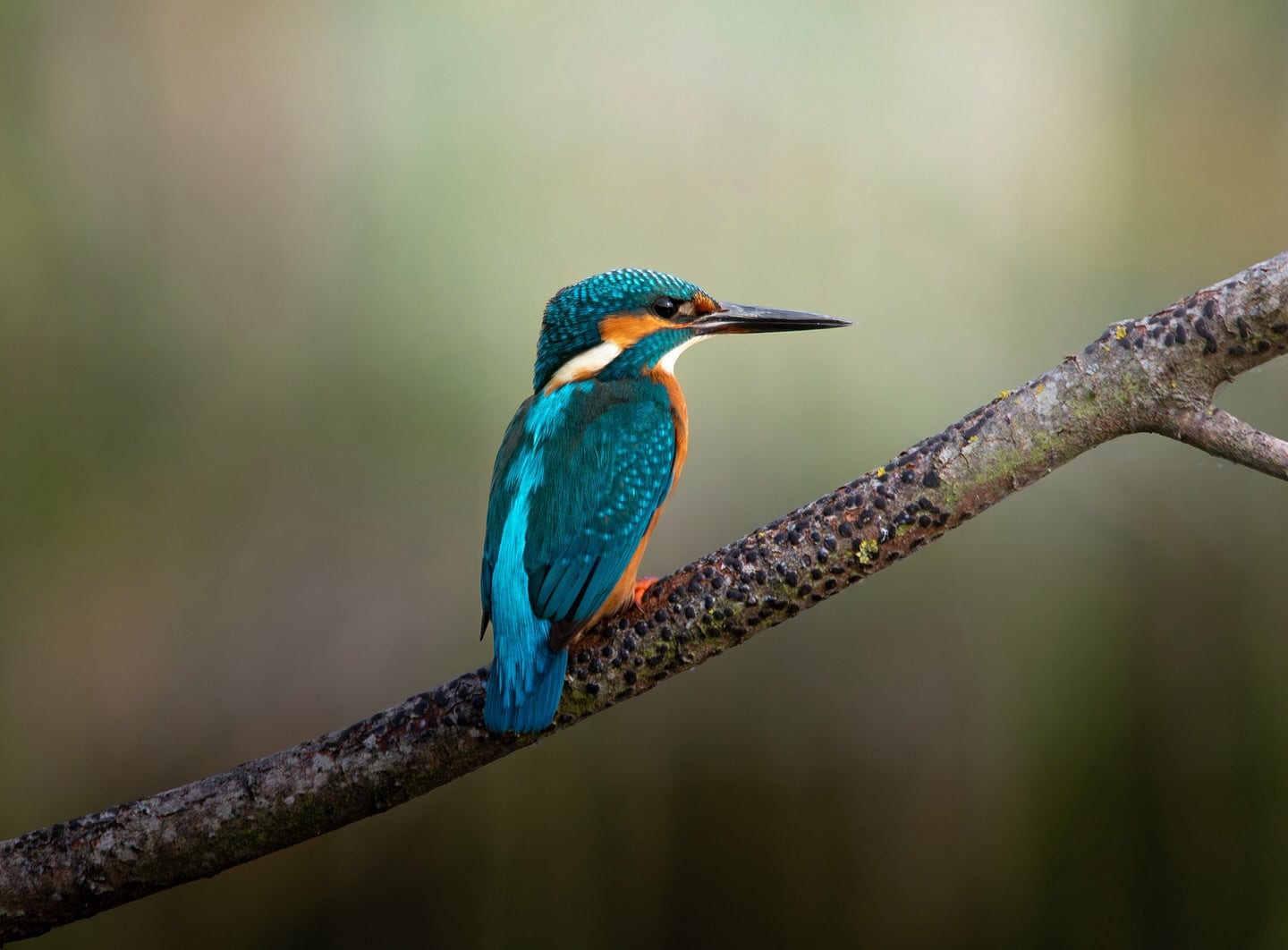
Kingfishers are largely resident — they hold a stretch of water year-round and defend it, as long as it doesn't freeze over. Other species in this collection, like some of the warblers, disappear entirely for half the year. The deciding factor almost always comes down to food, not temperature itself.
It's about food, not cold
Birds can handle cold reasonably well when they're fed — insulating feathers and the ability to fluff up for warmth do a lot of work. What they can't handle is a food source that vanishes. Insect-eating birds are the ones most likely to migrate, because insect populations collapse in winter across most temperate regions. Birds that can switch to seeds, berries, or fish tend to stay put.
Partial migrants complicate the picture
Not every individual of a migratory species migrates the same way. Some populations move only as far as needed to find food — a short shift rather than a continental crossing — while others of the same species travel enormously long distances. It's a spectrum, not a fixed rule per species.
What it means for spotting them
A resident species can be reliably found in the same territory across seasons, which is part of why kingfishers are one of the more predictable subjects in this collection — the same stretch of bank, visit after visit. Migratory species are a different kind of challenge: a narrow seasonal window, and then they're gone until the pattern repeats the following year.