
2026-04-25 · Technique · Fieldcraft
Reading the Weather for Better Wildlife Photography
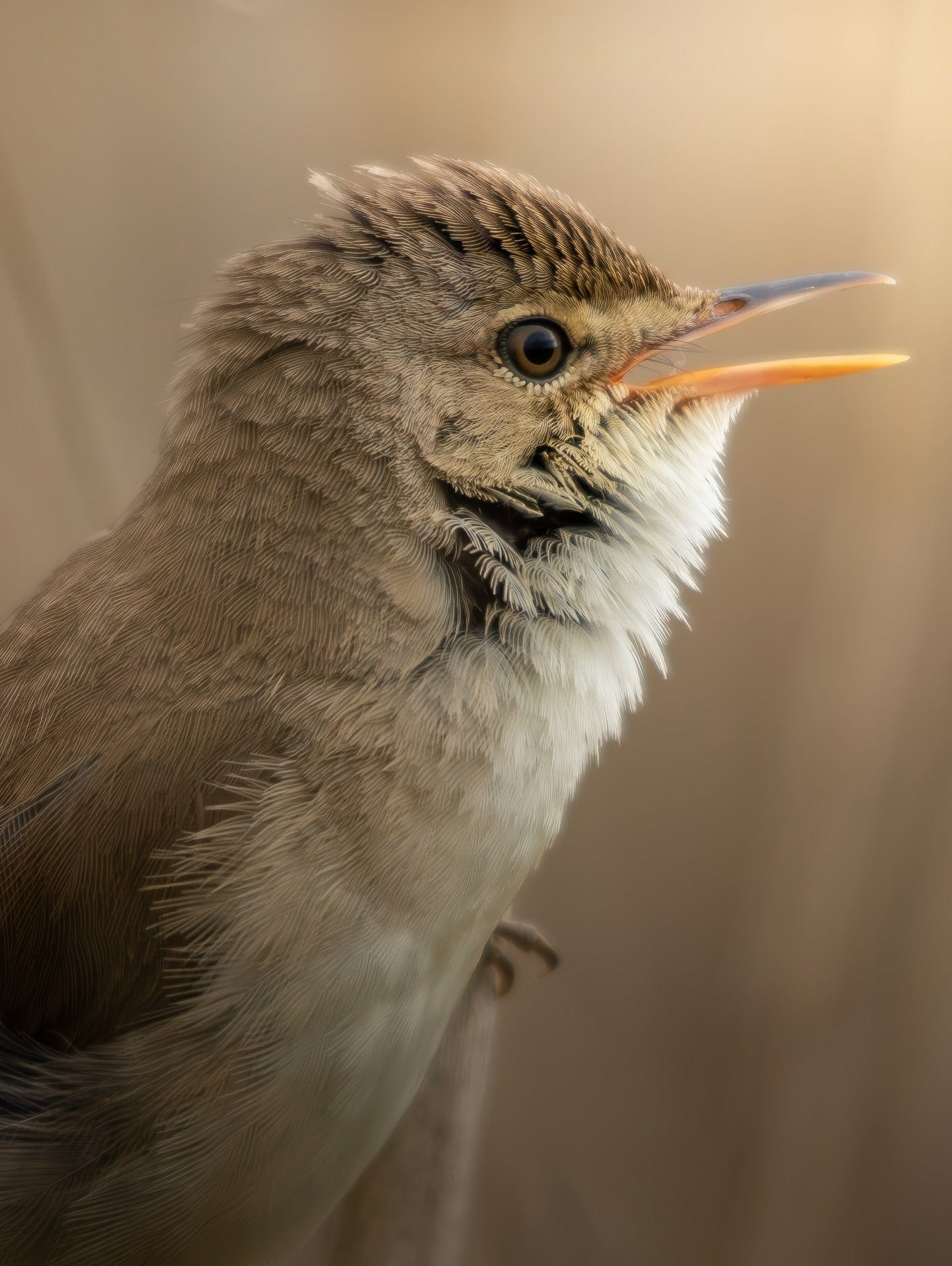
It's tempting to wait for a perfect sunny day. In practice, harsh midday sun is one of the least forgiving conditions for wildlife photography — hard shadows, blown highlights, and animals that are often less active in the heat.
Overcast light is doing you a favor
Cloud cover acts like a giant diffuser, softening light and reducing the contrast between highlights and shadows. That makes it far easier to hold detail in both a bird's dark feathers and its bright highlights in the same frame — something that's nearly impossible under direct sun.
Wind changes animal behavior, not just image stability
Strong wind is a genuine handicap for a handheld long lens, but it also changes how animals behave — many birds hunt less efficiently and shelter more in high wind, while calmer, breezy conditions right after a weather front often trigger a burst of feeding activity as animals make up for lost time.
After rain is an underrated window
Once rain clears, insects become active again and many birds feed heavily to recover the energy spent sheltering. That short window — often within an hour of rain stopping — is frequently more productive than an entire clear afternoon.
Checking more than just the forecast icon
A single "sunny" or "cloudy" icon hides a lot of relevant detail — wind speed, the timing of a front passing through, cloud cover percentage. Checking an hourly breakdown rather than a daily summary usually gives a much better sense of when conditions will actually line up.