
2026-04-07 · Wildlife · Behavior
Social Flocks: Why Long-Tailed Tits Never Travel Alone
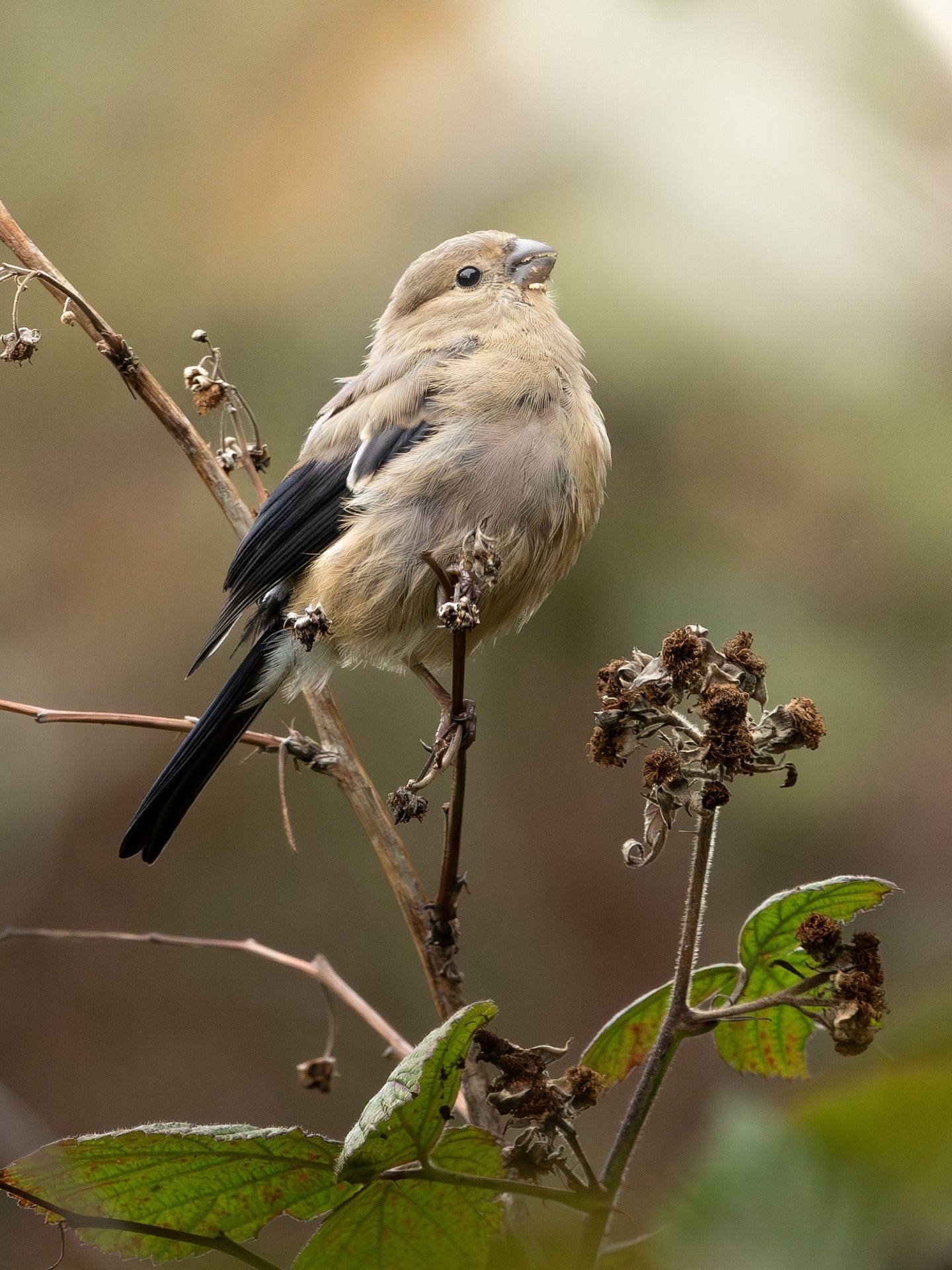
Most small birds in this collection can turn up alone. Long-tailed tits almost never do — outside of the breeding season, they move through hedgerows and woodland edges in tight family flocks, keeping in near-constant contact with thin, high-pitched calls.
Safety in numbers, literally
More eyes scanning for predators means any individual bird can spend more time feeding and less time on alert, which is the core advantage of flocking behavior. For a bird this small, that trade-off matters — long-tailed tits lose heat fast in cold weather and need to feed almost continuously to keep up their energy reserves.
Flocks are often family groups
Many long-tailed tit flocks are made up of relatives — a breeding pair's offspring from the same or a previous season, sometimes joined by adult "helpers" that assist in raising chicks that aren't their own. That's a fairly unusual breeding strategy among British birds.
Why they're an easier subject once you find them
A single long-tailed tit moving fast through dense cover is a difficult, fleeting subject. A flock is a different situation entirely — with a dozen birds working through the same stretch of hedge, there are far more chances for one to pause in a clear gap for long enough to get a usable frame.