
2026-05-29 · Ethics · Fieldcraft
The Ethics of Wildlife Photography: Not Disturbing What You're Shooting
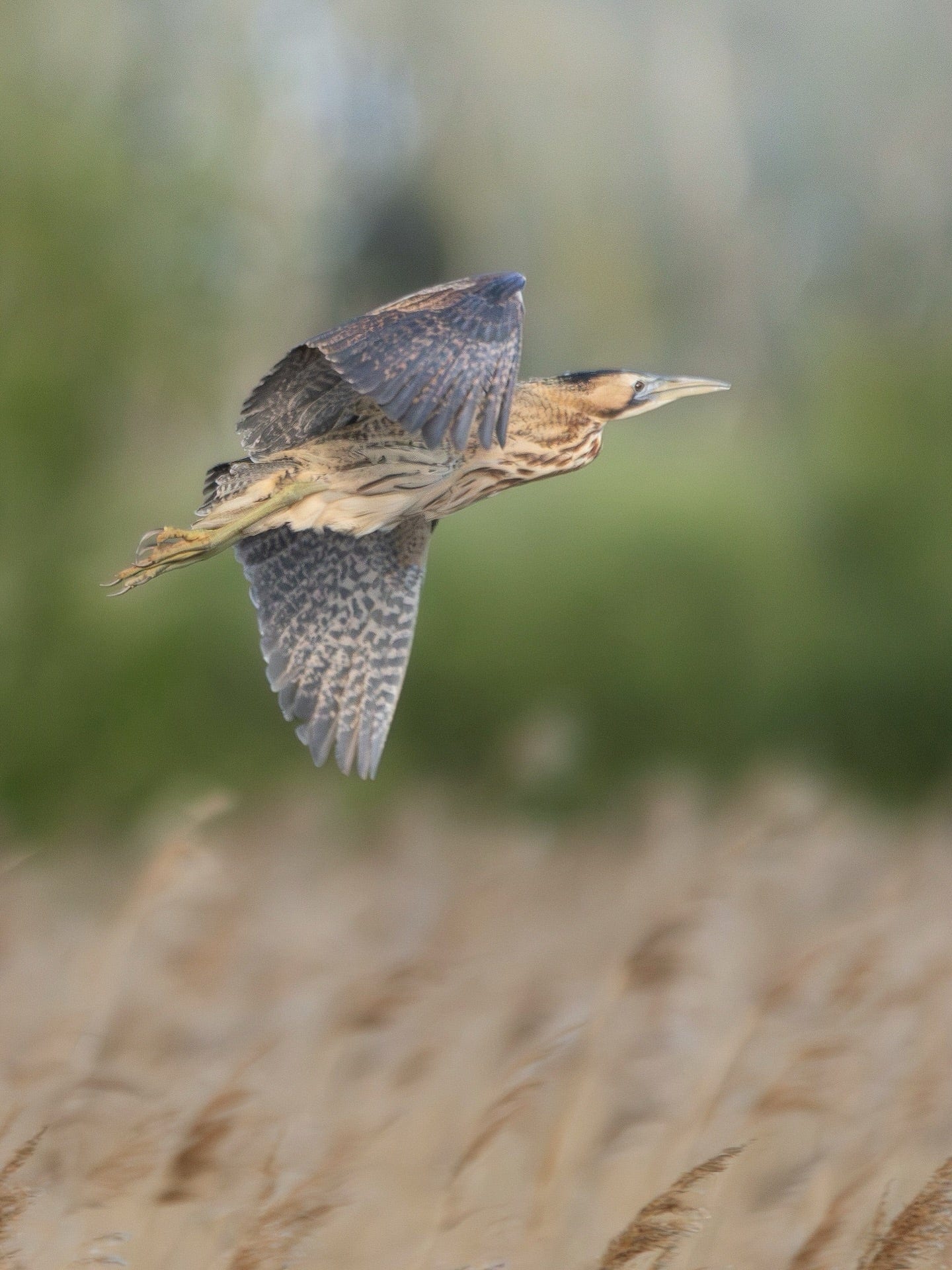
It's easy to frame wildlife photography as purely a technical or artistic pursuit and forget that there's a living animal on the other side of the lens, one that didn't consent to being photographed and can be genuinely harmed by careless behavior around it.
Distance is not optional
Getting closer than a species can tolerate causes stress even when it doesn't cause obvious flight — increased heart rate, interrupted feeding, energy spent on vigilance instead of survival. A longer lens exists specifically so the photographer doesn't have to close that distance. If a subject's behavior changes because of your presence, you're already too close.
Nests are treated differently, on purpose
Repeated visits to a nest site can lead parent birds to abandon it, or draw predators in via a worn path or scent trail left behind by a photographer visiting too often. That's part of why exact locations aren't published alongside images in this collection — a striking photo isn't worth risking a breeding attempt over.
No baiting, no playback abuse
Using food to lure a subject into frame, or playing a recorded call repeatedly to provoke a territorial response, both manipulate an animal's natural behavior for the sake of a photo. Occasional, sparing use by researchers is one thing; routine use for photography is a different kind of interference, and one this collection doesn't rely on.
The photo is not the point
A genuinely good wildlife photograph should be a byproduct of quiet, patient observation — not the goal that observation gets bent around. When those priorities get reversed, the animal usually pays for it.