
2026-03-03 · Wildlife · Biology
Camouflage and Concealment: How Prey Species Avoid Detection
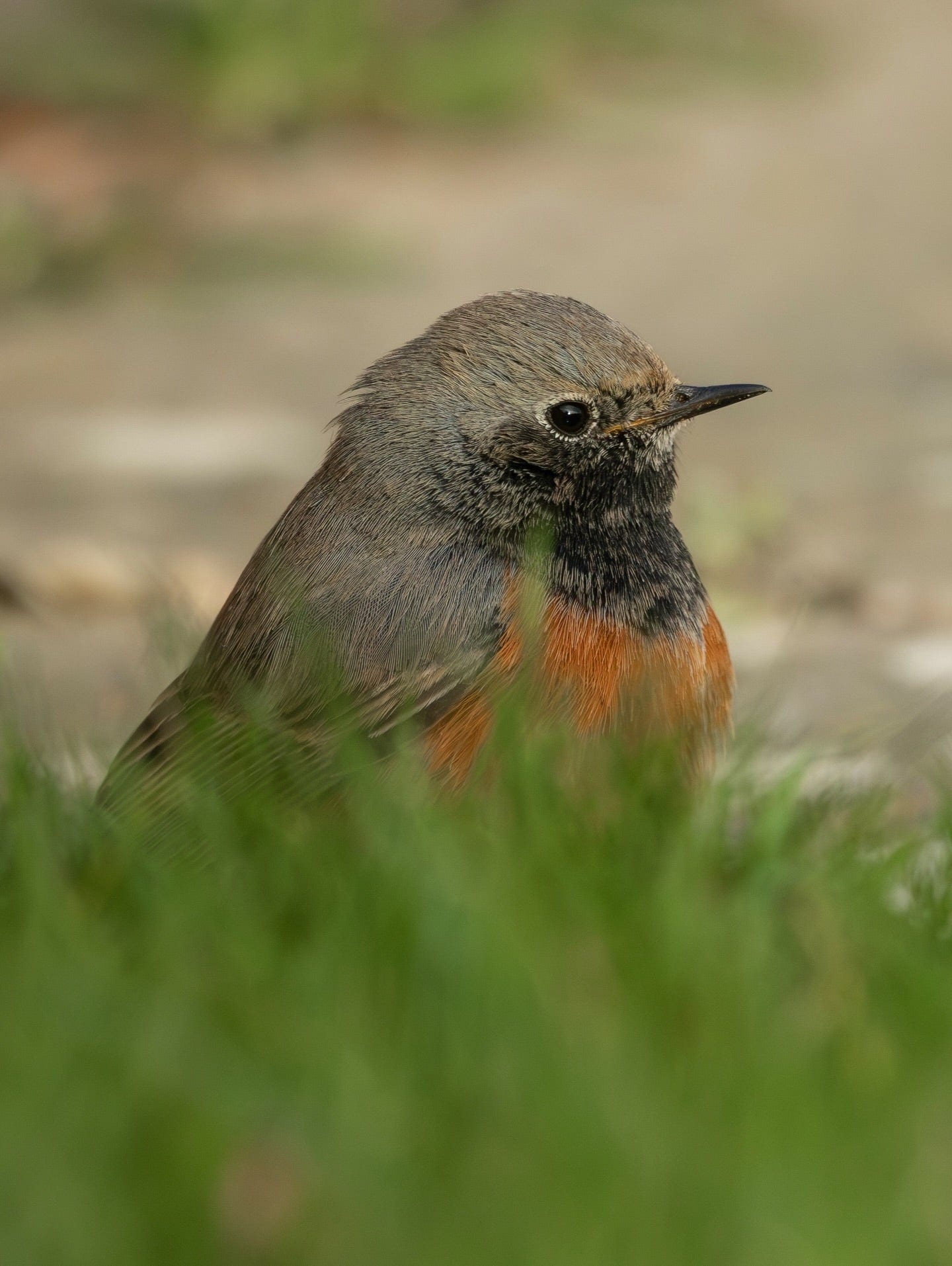
A photo isolates a subject against a clean background, which makes camouflage almost invisible in the final image — the whole point of the coloring is to blend into clutter, not stand out against it.
Disruptive patterning versus plain color
Plenty of birds rely on broken, mottled patterning rather than a single matching color to break up their outline against dappled light and vegetation — the eye struggles to pick out a shape when its edges don't read as one continuous form. This works even for birds with patches of bright color, as long as the bright patch is small relative to the disruptive pattern around it.
Stillness is part of the camouflage
Color and pattern only do half the work. Movement is what triggers a predator's attention far more reliably than shape or color, which is why so many prey species freeze rather than flee at the first sign of a threat — moving breaks the camouflage completely, no matter how well the coloring matches the background.
Why this makes fieldcraft harder, not easier
Well-camouflaged species are often physically close by without ever being noticed, simply because they're not moving and don't stand out from their surroundings. Slowing down and scanning for shape and outline — rather than color — is usually a better way to spot them than expecting something to visually pop out of the scene.