
2026-05-12 · Wildlife · Fieldcraft
Understanding Bird Song vs. Bird Calls
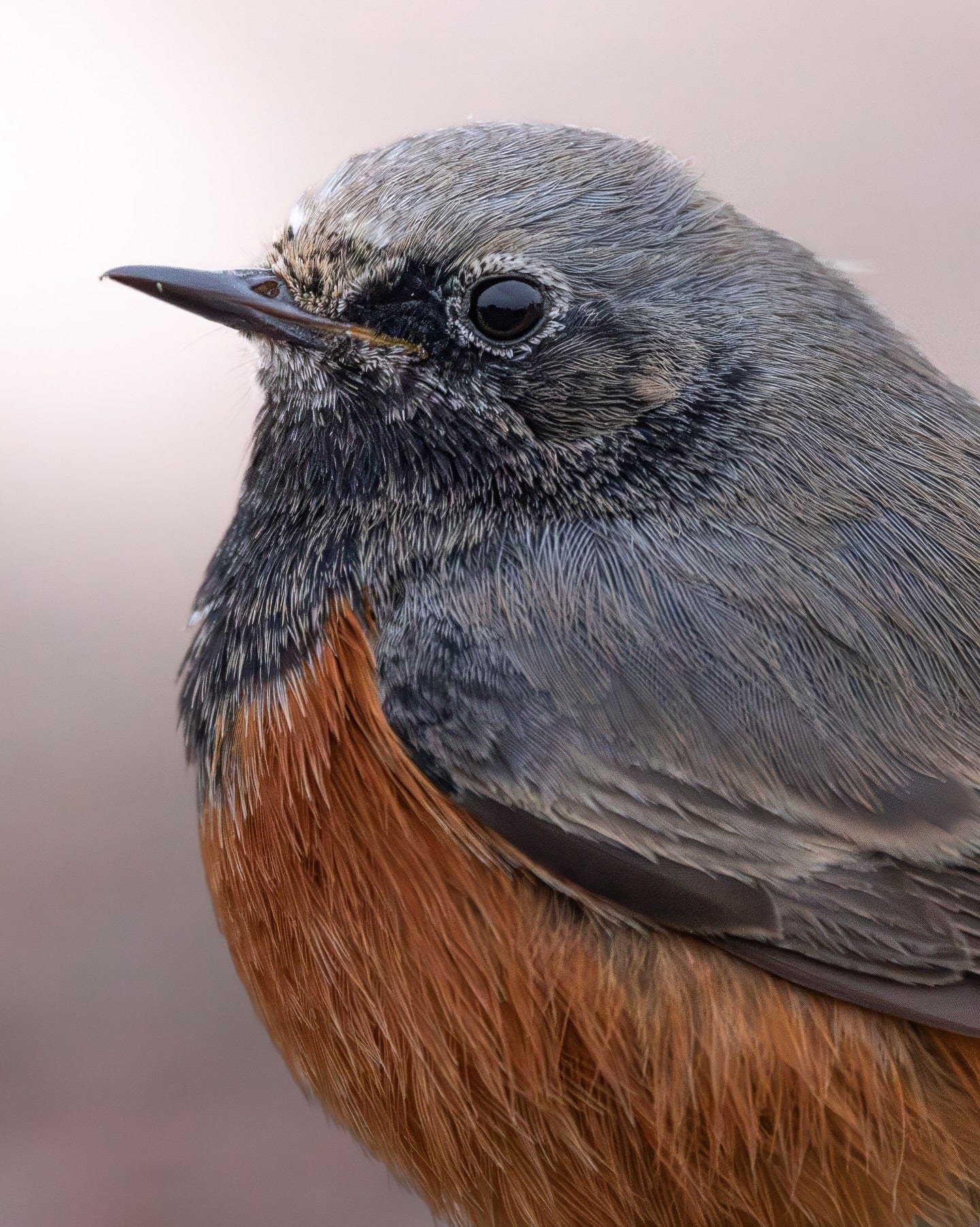
Robins are one of the few British birds that sing through most of the year, including winter — which makes them a good example for a distinction that's genuinely useful in the field: song and calls are not the same thing, and they mean different things.
Song is a broadcast
Song tends to be longer, more complex, and used mainly to defend territory or attract a mate. It's typically delivered from an exposed, prominent perch — the bird wants to be heard, and often seen. That combination makes singing birds some of the more findable subjects, since the behavior itself points to where they're perched.
Calls are short and functional
Calls are shorter, simpler sounds used for more immediate purposes — contact between flock members, an alarm at a passing predator, or a fledgling begging to be fed. Alarm calls in particular are worth learning, since multiple species often share similar-sounding warnings, and a sudden round of alarm calling nearby is frequently a sign something worth photographing — a hawk, a cat, a fox — has just entered the area.
Learning even a handful of calls pays off
You don't need to identify a species by ear to benefit from this. Recognizing the difference between a relaxed contact call and a sharp alarm call is often enough to know whether it's worth stopping to look, well before anything is visible.